
Wellness After 40 · Fat Loss Guide
How to Lose Stubborn Belly Fat After 40
You’ve trained hard, eaten clean, and still can’t shift it. Here are the real, often-overlooked reasons your body holds onto stubborn fat — and how to work with it naturally.
- Why It Happens
- Eat
- Walk
- Sunlight
- Sleep
- Hydrate
- Stress
- Insulin
- FAQ
Here’s the truth: thousands of people over 40 are training hard and eating “clean” — but still can’t lose stubborn fat. Not because they aren’t trying, but because they’re missing pieces of the puzzle nobody talks about.
This isn’t another “just eat less, move more” article. Below are the real, science-backed reasons your body holds onto stubborn fat after 40, and simple, natural ways to finally work with it instead of against it.
Understanding Your Body
Why "Stubborn Fat" Isn't Just About Willpower
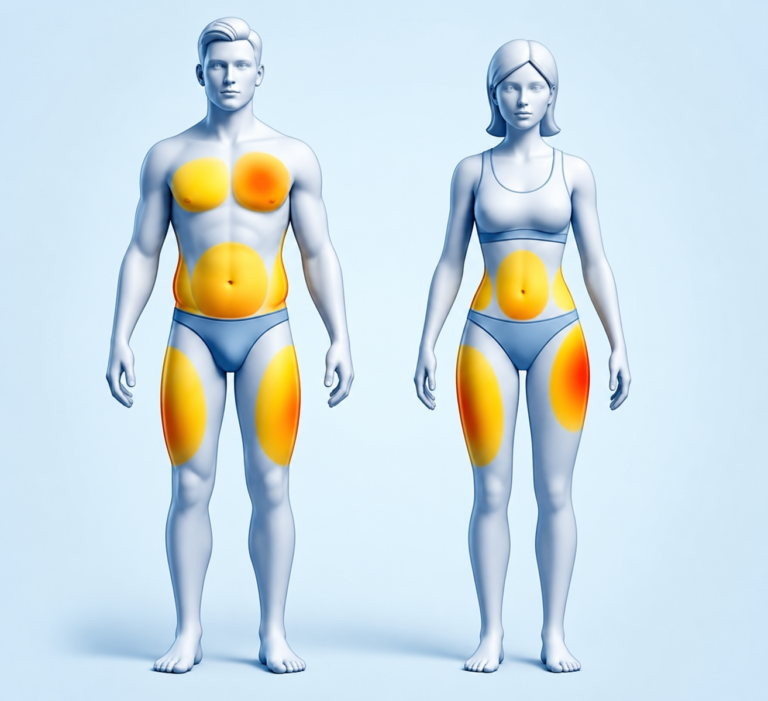
Stubborn fat isn’t only stored in the belly. Where your body holds onto it depends largely on genetics and hormones.
Belly
Most common storage zone, linked to stress hormones
Thighs & Glutes
More common storage pattern for women
Chest
More common storage pattern for men
Your body isn’t broken — it just needs the right approach. Let’s look at the daily habits quietly working against you.
STEP 01 / 07
What You Eat Matters More Than How Much
Calorie deficit is still the foundation of fat loss — that part is true. But how you reach it changes everything.
Avoid blood sugar spikes
Meals that spike blood sugar trigger insulin responses that make stubborn fat loss much harder.
Protein is your secret weapon
Your body burns up to 4x more calories digesting protein than digesting carbs or fat — the thermic effect of food.
- Aim for roughly 1.6g–2.0g of protein per kg of body weight daily
- Higher protein helps preserve muscle while losing fat
- More muscle means a higher resting metabolism
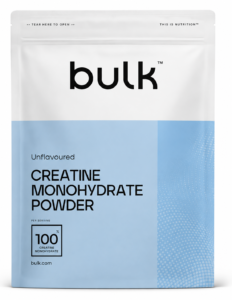
If you struggle to reach your protein intake through food alone during the day, here’s a simple, easy-to-digest supplement that helps you close the gap without complicating your routine.
Pairing your protein intake with creatine can also help you build and preserve lean muscle, which keeps your metabolism working harder even at rest.
STEP 02 / 07
Forget Intense Cardio — Try This Instead
Many people spend hours doing intense cardio, chasing exhaustion instead of results.
- Walk 30–40 minutes per day
- Low-intensity, consistent movement keeps your body in a fat-burning state
- Real changes are often noticeable within weeks

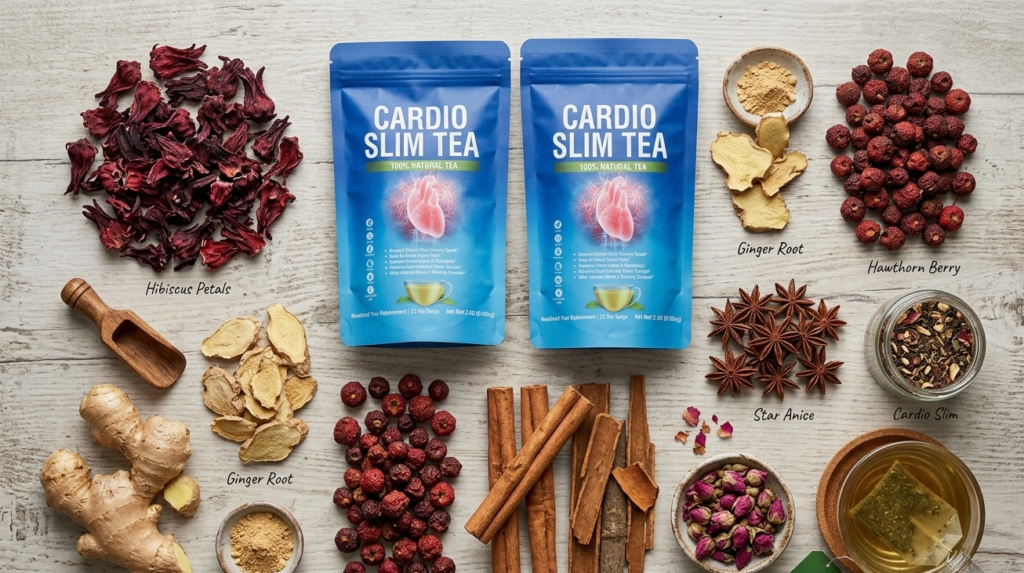
For days you can’t get moving: these natural drinks can support your metabolism in the background — morning, evening, or in between.

The Smoothie Diet — 21 Day Fat Burning Program
Guided plan for people who spend most of the day indoors
STEP 03 / 07
The Overlooked Factor: Sunlight
- Regular sunlight exposure supports a naturally healthier metabolism
- For men, adequate sun exposure is linked to healthier testosterone levels
- Most people working indoors are chronically low on natural light and Vitamin D

If your schedule doesn’t leave much room for daily sunlight, a metabolism-support formula built with that in mind can help pick up the slack.
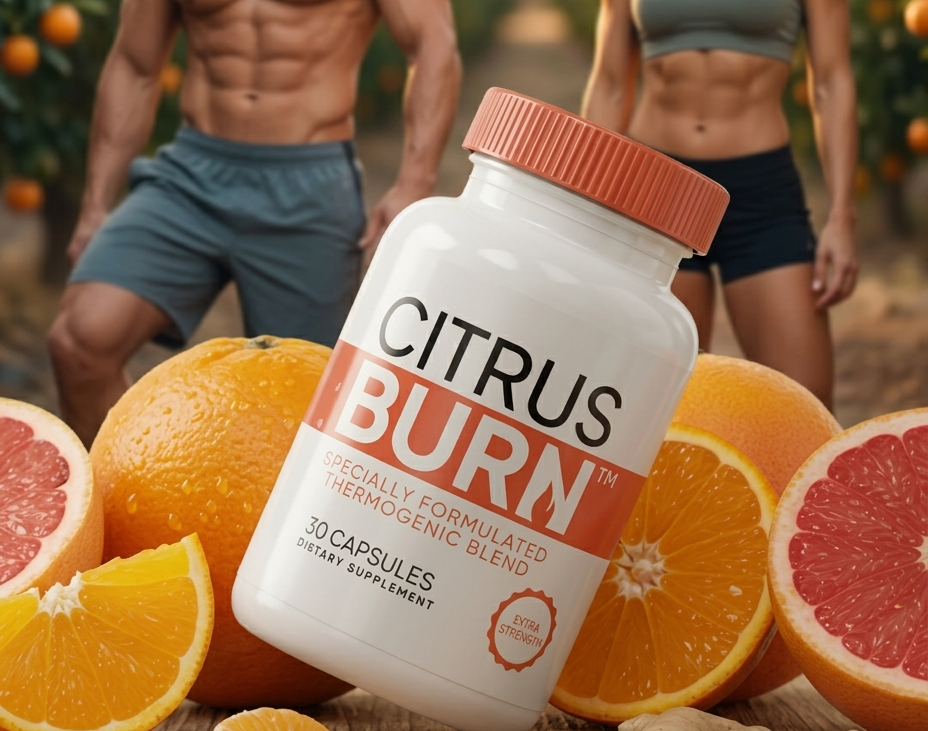
CitrusBurn
Metabolism support for those who lack daily sun exposure
STEP 04 / 07
Sleep: The Most Underrated Fat-Loss Tool
Your body doesn’t just rest while you sleep — it recovers, repairs, and signals whether it’s safe to burn fat.
-
- Aim for 7–9 hours of sleep per night
- Deep sleep specifically is linked to fat burning, metabolism, and muscle repair
- Poor sleep raises stress hormones, making stubborn fat harder to lose

If you struggle to switch off at night or wake up feeling tense, a high-absorption magnesium can help calm your nervous system so your body can actually get into deep, restorative sleep.

NOVOMA Magnesium Bisglycinate 300mg + B6
Supports the nervous system and reduces fatigue
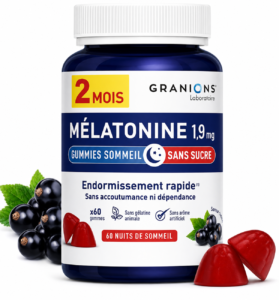
View on Amazon →And if falling asleep in the first place is the real struggle, a simple, vegan, sugar-free melatonin gummy is an easy way to ease into it naturally.
STEP 05 / 07
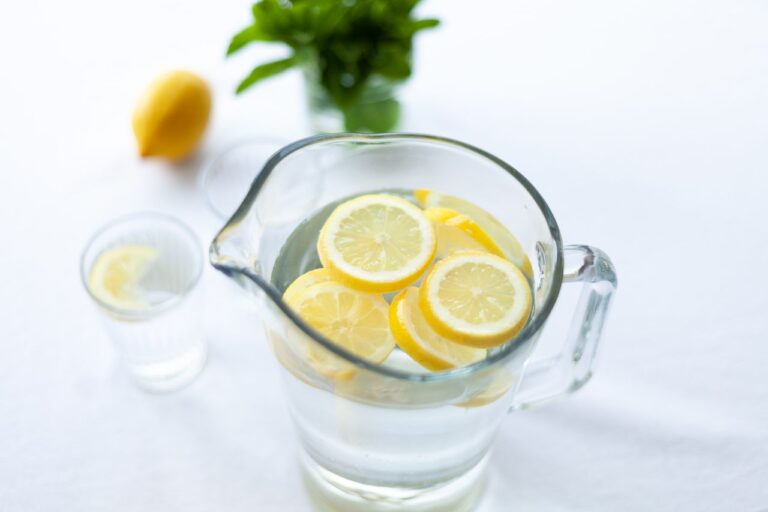
Hydration: The Simple Habit People Skip
- Aim for at least 1 gallon (~3.8L) of water per day
- Proper hydration directly supports how efficiently your body burns calories
- Add fiber-rich hydration support in the morning if plain water isn’t enough
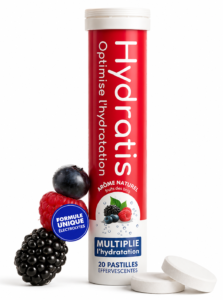
If plain water alone isn’t cutting it, an easy mineral-rich hydration tablet in the morning can help you actually reach your daily hydration target.
STEP 06 / 07
Stress: The Hidden Reason You're Stuck
This is often the missing link for people who “do everything right” and still can’t lose belly fat.
-
- Chronic stress raises cortisol
- Elevated cortisol increases insulin resistance
- Insulin resistance makes stubborn fat — especially belly fat — harder to lose

If your days feel constantly stressed and deeper sleep alone isn’t enough, a natural formula that supports your body’s stress response can help bring your cortisol back into balance.

NeuroSerge
Natural support for stress and a calmer nervous system
STEP 07 / 07
Could Insulin Resistance Be the Real Problem?
If you’ve tried everything above and still feel stuck, insulin resistance could be the missing piece — and it’s more common than most people realize.
Quick Recap
- ✅ Avoid blood sugar spikes and prioritize protein intake
- ✅ Walk daily instead of relying only on intense cardio
- ✅ Get natural sunlight exposure when possible
- ✅ Prioritize deep, quality sleep (7–9 hours)
- ✅ Stay properly hydrated throughout the day
- ✅ Manage stress to keep cortisol and insulin in check
- ✅ Rule out insulin resistance if nothing else seems to work
Common Questions
FAQ: Stubborn Belly Fat After 40
Hormonal shifts, a slower metabolism, increased stress, and reduced muscle mass all make fat loss — especially around the belly — more difficult with age. It’s a mix of biology and lifestyle, not a lack of effort.
Yes. Consistent daily walking, combined with good nutrition, sleep, and stress management, is often more effective for stubborn fat than high-intensity training alone.
Most people notice changes within a few weeks of consistently applying these habits together, though full results typically take a few months.
Supplements aren’t magic solutions, but they can support your existing efforts — sleep, metabolism, or stress — when combined with good nutrition, movement, and hydration.
Genetics influence where your body stores fat, but lifestyle factors like diet, sleep, stress, and hormone balance strongly influence how much fat you retain.
You're Not Failing — You're Missing Pieces
Start small. Pick one or two habits from this list, apply them consistently, and build from there.